

Copyright 2026. All rights reserved | aina-landscaping.com | Design | Mowing | Irrigation | Fertilize | Trimming & Pruning | Turf Installation | Flowerbeds | Tree Care | Clean-Up | Topsoil & Aggregate | Commercial Services
Canoe plants hold a special place in the cultural and ecological history of the Big Island and all of Hawaii. First brought to the islands by Polynesian voyagers centuries ago, these plants were indispensable for survival and formed the basis of traditional Hawaiian life.
Today, integrating canoe plants such as kalo (taro), ti leaf, and breadfruit into modern landscaping offers an opportunity to celebrate heritage, support sustainability, and create beautiful, functional outdoor spaces. In this article, we’ll review the benefits of these notable plants and answer some common questions about using them in your yard.
A Brief History of Canoe Plants
Canoe plants refer to the useful species, many of which were used as the first agricultural crops, carried across the Pacific by Polynesian settlers as they inhabited Hawaii and other islands. These plants included staples for food, medicine, shelter, and cultural practices.
Among the most well-known canoe plants are kalo (taro), ‘ulu (breadfruit), and ki (ti leaf), each having its specific and helpful uses and significance.
Kalo (Taro): The Heart of Hawaiian Agriculture
Kalo, or taro (Colocasia esculenta), is perhaps the most iconic of the canoe plants. Revered in Hawaiian culture as the elder sibling of the Hawaiian people, kalo’s corms are pounded into poi, a staple food.
- Versatile plant for home or commercial landscaping
- Does well in wet environments, such as rain gardens or near water features
- Lush, broad leaves give a tropical look to any outdoor area
- Helps prevent soil erosion thanks to its compact root system
Ti Leaf (Cordyline fruticosa): Versatile and Decorative
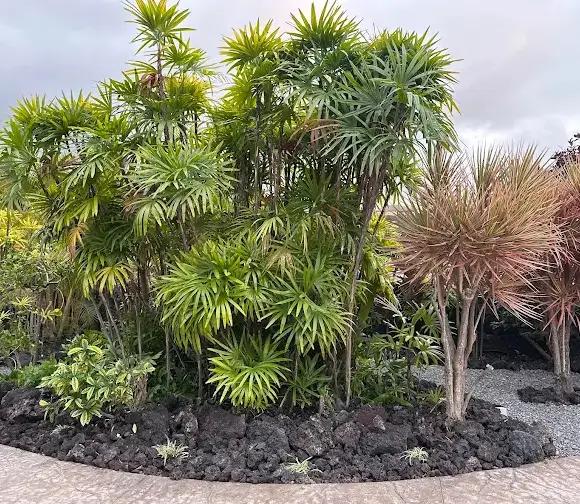
The ti plant was another essential canoe plant, valued for its many uses. Its glossy, sword-shaped leaves were used for everything from food wrapping to hula skirts, and even for natural thatched roofs.
- Adds color from deep green to intense reds and purples
- Tolerates a range of conditions
- Excellent for borders, hedges, or accent plantings
- Believed to bring good luck
- Best choice for entry areas and gathering spaces
Breadfruit (‘Ulu): The Tree of Abundance
Breadfruit (Artocarpus altilis) is a hearty and nutritious canoe plant that produces large, starchy fruits, which can be baked, roasted, or fried.
- Broad canopy provides ample shade
- Ideal for larger yards or community gardens
- Deep roots help stabilize soil
- Handles dry conditions well; suitable for low-maintenance landscapes
- Striking leaves and fruit add visual interest
Why Use Canoe Plants in Big Island Landscaping?
Sustainability
Canoe plants are adapted to the Big Island’s tropical climate and soils, meaning less maintenance once they are established. They reduce the need for irrigation, fertilizers, and pesticides, supporting environmentally friendly design.
Cultural Connection
By planting canoe species, commercial property and homeowners honor Hawaiian heritage and encourage a sense of place. These plants can cause interest in stories, education, and community events.
Edible Yards
An emerging trend is edible landscaping and many canoe plants are edible, enabling homegrown food production and reducing dependence on store-bought produce. They promote food security and local agriculture.
Healthy Biodiversity
Canoe plants attract pollinators and other beneficial wildlife, reducing the ecological stress caused by non-native residential landscapes.
Aesthetic Attraction
With their lush foliage, dramatic forms, and brilliant colors, canoe plants are instant focal points providing beauty and interest.
How to Add Canoe Plants to Your Landscaping
- Look over your space: Factor in sun exposure, soil type, and available water. Kalo prefers moist soil; ti is more adaptable; breadfruit needs space to grow.
- Mix and match: Combine canoe plants with native species and other ornamentals for layered, unique plantings.
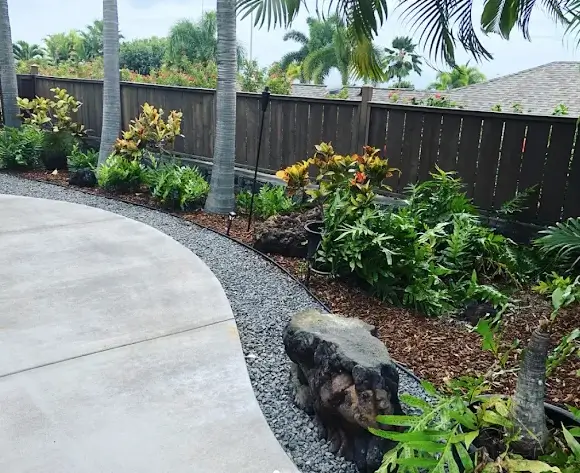
- Place in visible locations: Position breadfruit as a shade tree, ti as a border or privacy screen, and kalo near water features or in rain gardens.
- Be loyal with regular maintenance: Prune periodically, harvest leaves and fruit, and compost plant material to enrich your soil.
Canoe Plant Landscaping in Hawaii is Beautiful
Incorporating canoe plants like kalo, ti leaf, and breadfruit into your home or commercial property’s landscaping is more than a nod to Hawaiian and Big Island history—it’s a practical, sustainable, and beautiful method to connect with the island and its stories.
Whether you’re a veteran gardener or just starting out, these plants give a rewarding experience and a dynamic link to Hawai‘i’s rich heritage.
Interested in adding canoe plants to your yard in Kailua-Kona? Contact Aina Kona Landscaping at (808) 333-1100 to schedule a consultation. Our services also include landscape design and maintenance.
Commonly Asked Questions
Are canoe plants easy to grow?
Yes, most are resilient. Ti leaf, for example, is especially hardy and can grow from cuttings. Kalo requires more attention to moisture, but with the right spot, it’s not hard. Breadfruit trees need more space and patience, but reward you with abundant fruit.
Can I grow these plants in containers?
Ti leaf and kalo will grow in large containers, perfect for lanais or small yards. Breadfruit is best grown in the ground due to its eventual size.
How do I care for canoe plants?
Provide adequate water for kalo, notably during dry spells. Ti leaf prefers well-draining soil and occasional feeding. Breadfruit appreciates mulch and regular deep watering during establishment, then needs little care once mature.
Are there any pests or diseases to watch for?
Concerns involve aphids and mealybugs on ti and kalo, and fruit flies for breadfruit. Regular inspection and organic treatments usually suffice. Healthy, well-sited plants are less prone to issues.
Do these plants require a lot of maintenance?
Generally, canoe plants are low-maintenance when grown in suitable conditions. Removing dead leaves, occasional pruning, and harvesting are the main tasks.


