

Copyright 2026. All rights reserved | aina-landscaping.com | Design | Mowing | Fertilize | Trimming & Pruning | Turf Installation | Flowerbeds | Tree Care | Clean-Up | Topsoil & Aggregate | Commercial Services
How to Prepare and What to Do
Everyone on the Big Island knows Pacific Ocean climate patterns shape our weather and ecosystems. But among these patterns, El Niño—characterized by unusually warm ocean temperatures in the Equatorial Pacific—stands out for its ability to affect us and disrupt weather worldwide.
This year, meteorologists warn of the coming “super” El Niño, a particularly strong event that could bring major changes to rainfall, temperature, and storm activity in the Hawaiian Islands during late 2026 and into early/mid 2027. For Big Island residents, this poses urgent questions about what to expect and how to protect your home or business’s landscaping.
Understanding El Niño and Its Effects in Hawaii

El Niño is part of the wider El Niño–Southern Oscillation (ENSO) climate phenomenon, which alternates between El Niño (warm phase) and La Niña (cool phase). During El Niño years, the central and eastern Pacific Ocean becomes significantly warmer than average, altering weather patterns around the globe.
For Hawaii, El Niño events typically mean:
- Drier than usual winters: While our islands are famous for thick rainforests, much of this greenery depends on consistent rainfall, especially during winter.
- Increased drought risk: Extended dry periods may lead to water shortages, affecting both natural ecosystems and human-planted landscaping.
- Higher temperatures: Warmer air and sea temperatures can stress plants unaccustomed to such conditions.
- Greater risk of wildfires: Dry vegetation becomes more flammable, raising the risk of fire in areas that are usually damp.
- Altered storm tracks: While hurricanes are generally rare in Hawaii, El Niño can increase the likelihood of tropical storms approaching our islands.
How a Super El Niño Could Impact Landscaping on the Big Island
The Big Island of Hawaii is known for its different microclimates, and its landscaping is as varied as the climate itself. A super El Niño could increase the usual effects, creating a range of challenges for landscaping:
Prolonged Drought Conditions
- Reduced rainfall can cause lawns to brown, ornamental plants to wilt, and native species to struggle.
- Irrigation systems may be strained while water becomes scarcer and more expensive.
- Drought stress can make plants more susceptible to pests and diseases.
Heat Stress
- Higher temperatures can scorch delicate plants, especially those not adapted to extreme heat.
- Soil moisture evaporates more quickly, increasing the need for supplemental watering.
- Heat can affect the blooming and fruiting cycles of popular garden plants.
Increased Fire Risk
- Dried-out grasses and shrubs become tinder for wildfires, threatening both property and native ecosystems.
- Fire-adapted invasive species, such as fountain grass, may spread more rapidly, compounding the fire risk.
Impacts on Native and Ornamental Plants
- Native Hawaiian plants, many of which evolved in stable, moist environments, may be particularly vulnerable to drought and heat.
- Ornamental landscaping, often reliant on imported species, may fare even worse if those plants are not drought-tolerant.
Soil Degradation
- Drought and heat can cause soil compaction, erosion, and fertility loss.
- Without adequate ground cover, wind and rain (when it does occur) can wash away topsoil and nutrients.
Steps to Minimize Negative Effects on Landscaping

Preparation is important to minimizing the negative impacts of a super El Niño on landscaping. Here are useful strategies for homeowners, gardeners, and landscapers on the Big Island:
Prioritize Drought-Resistant Plants
- Choose native species: Many Hawaiian plants are adapted to local conditions and can survive periods of drought better than exotics.
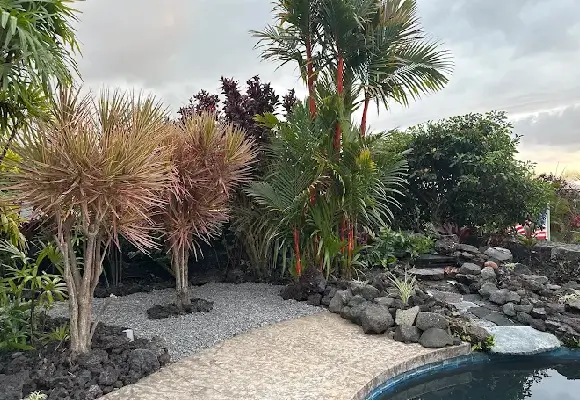
- Integrate succulents and xeriscaping: These plants require less water and can add visual interest to gardens.
- Mulch generously: A thick layer of mulch helps retain soil moisture, inhibit weeds, and regulate soil temperature.
- Amend with compost: Organic matter improves the soil’s ability to hold water and provides nutrients to stressed plants.
Optimize Irrigation Practices
- Install drip irrigation systems: These deliver water directly to plant roots and decrease waste.
- Water early or late: Irrigate in the early morning or evening to reduce evaporation.
- Monitor for leaks: Check irrigation systems routinely to ensure you aren’t wasting water.
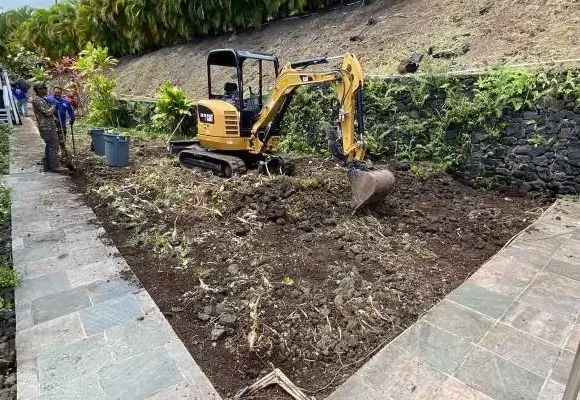
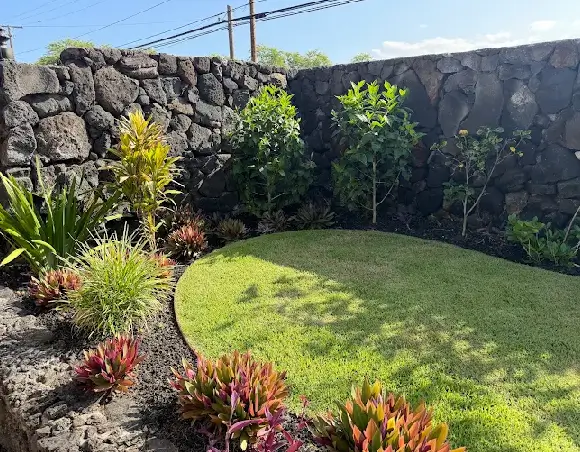
- Lawns are among the thirstiest landscape features. Consider replacing sections of lawn with drought-tolerant ground covers, mulched beds, or landscape features.
- Remove dead vegetation and maintain defensible space around structures.
- Choose fire-resistant plants near homes and buildings.
- Maintain driveways and access routes for emergency vehicles.
Monitor and Manage Pests
- Drought-stressed plants are more susceptible to pests. Monitor regularly and use integrated pest management (IPM) strategies to keep infestations in check.
Keep Aware and Adapt
- Keep up to date with local weather forecasts and drought advisories.
- Be set to adjust landscaping plans, watering timetables, and plant choices as conditions change.
Create Long-Term Landscaping Resilience
El Niño events are a natural part of our island’s climate cycle, but climate change may increase their frequency and intensity. Building resilient landscapes is the best defense against future extreme weather events. This means:
- Diversifying plantings to include a mix of species with varying drought tolerance.
- Diminishing reliance on high-maintenance, water-intensive landscaping.
- Supporting local nurseries and organizations that promote native plant use.
Surviving Super El Niño and Coming Out Healthy
Although the prospect of a super El Niño may be daunting, proactive preparation and knowledgeable landscaping choices can help minimize negative impacts on the Big Island. By giving priority to drought resistance, efficient water use, and fire safety, residents can protect their gardens—and the wider ecosystem—for years to come.
Interested in professional help making your landscaping more resilient before a super El Niño? If yes, we’re ready to help at Aina Landscaping in Kona. We’re a leading, locally owned Big Island landscaping company. You can reach us at (808) 333-1100. We provide landscaping design, planting, and maintenance.
Commonly Asked Questions
What is the most important step I can take to protect my yard during a super El Niño?
Prioritize drought-tolerant and native plants, and ensure your soil can retain moisture by adding mulch and compost.
Should I stop watering my lawn altogether during water restrictions?
While reducing water use is critical, completely stopping irrigation can dehydrate your lawn. Instead, water less frequently but more deeply to encourage deep-root development.
Are there specific plants that are recommended for Big Island landscaping during drought?
Yes, native species such as ʻilima, ʻōhiʻa lehua, and ʻaʻaliʻi are adapted to local conditions and more likely to survive drought. Consult local landscapers and nurseries for recommendations.
How can I create a firebreak in my yard?
Remove dead vegetation, keep grass trimmed short, space plants to prevent fire from spreading, and use non-flammable hardscaping near structures.
Where can I find resources on less water-dependent landscaping?
The University of Hawaii Cooperative Extension, local garden clubs, and state agencies offer workshops, guides, and plant lists designed for Hawaii’s unique climate.


