

Keep Your Kona Landscape Thriving When It’s Dry

Dry Season Landscaping Care Tips and Q&A

Our Kona community, located on the leeward side of the Big Island, is famous for its abundant Hawaiian sunshine, volcanic soils, and unique microclimates.

While we enjoy year-round beauty, the current dry season (May to October) presents special challenges for homeowners and landscapers striving to keep their gardens and yards lush, colorful, and healthy.

If you’re wondering how to maintain a healthy garden while the weather is warm and rainfall is sparse, this step-by-step guide is for you.

Understanding Kona’s Climate

The west coast of Hawaii Island, including Kailua-Kona and nearby areas, is characterized by mild temperatures, moderate humidity, and markedly less rainfall than the east side.

During the dry season, monthly precipitation can drop below one inch, while temperatures often soar into the high 80s or low 90s °F. These conditions can quickly stress lawns, ornamental plants, fruit trees, and even native plant species if not well managed.

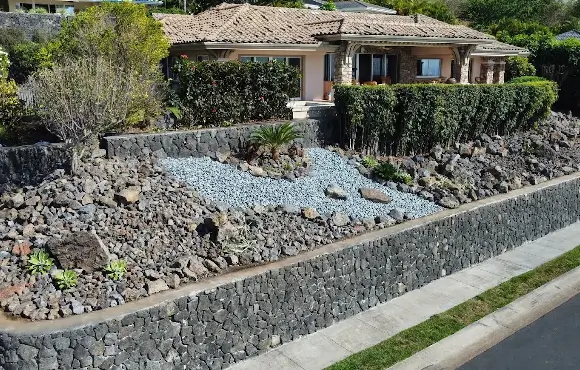
Drought-resistant garden setup showing tiered volcanic rock walls and smooth blue stones outside a house, typical of Kona landscaping.

1. Water Wisely: Efficient Irrigation Strategies

Water is the lifeblood of any landscape, especially during the dry season. Here’s how to maximize every drop:

  • Time It Right: Water early in the morning (before 9 am) or late in the afternoon, when evaporation levels are lowest.
  • Go Deep, Not Shallow: Water deeply and less frequently to encourage strong root growth. Shallow, daily watering leads to weak roots and water waste.
  • Check Irrigation Systems: Inspect drip lines, sprinklers, and hoses for leaks or clogs. Upgrade to efficient drip irrigation wherever possible.
  • Mulch Generously: Spreading mulch around trees, shrubs, and flower beds retains soil moisture and keeps roots cool. Use organic mulch like wood chips, green waste, or shredded bark.

2. Choose Drought-Tolerant Plants

Selecting the right species to plant is half the battle. In Kona’s dry season, focus on these:

  • Native and Polynesian-Introduced Plants: Kou, hala, a‘ali‘i, naupaka, ti, and kalo thrive with less water and resist pests.
  • Tropical Succulents: Aloe, agave, and certain bromeliads offer beauty and resilience.
  • Flowering Shrubs: Bougainvillea, hibiscus, plumeria, and oleander are showy and tough.
  • Edibles: Papaya, mango, dragonfruit, and citrus trees are adapted to Kona’s climate.
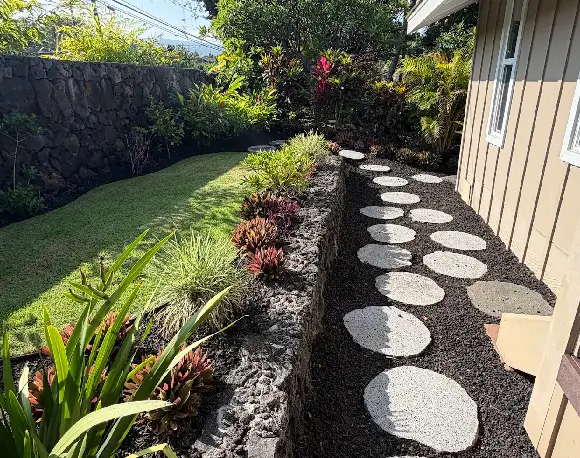
Garden walkway constructed with circular stone pavers set in black volcanic gravel next to a residential lawn built by Aina-Landscaping.

3. Soil Health: The Foundation of All Plants

Healthy soil is the secret to thriving plants, especially in volcanic regions:

  • Test Your Soil: Kona soils can be acidic or alkaline depending on location. Home test kits or county extension services can help.
  • Add Organic Matter: Amend with compost, worm castings, or properly aged manure to improve structure and moisture retention.
  • Fertilize Wisely: Use slow-release fertilizers suited to your chosen plants. Avoid over-fertilizing, which can burn roots in dry soil.

4. Grow Heat-Resilient Lawns

Lawns are notoriously thirsty, but you can maintain green grass with good practices:

  • Let It Grow Taller: Mow grass to 3-4 inches to shade roots and reduce evaporation.
  • Aerate Annually: Aeration allows water and nutrients to penetrate compacted soil.
  • Limit Traffic: Avoid heavy foot or vehicle traffic when lawns are stressed by heat and drought.
  • Consider Alternatives: Replace thirsty turf with groundcovers, native grasses, or xeriscaping in low-use areas.

5. Stay Ahead of Weeds and Pests

Dry conditions can favor certain weeds and pests. Be vigilant:

  • Weed Early: Remove weeds while small, as they compete for scarce water and nutrients.
  • Monitor for Pests: Look for signs of scale, spider mites, and leafhoppers. Use integrated pest management (IPM) strategies before resorting to chemicals.

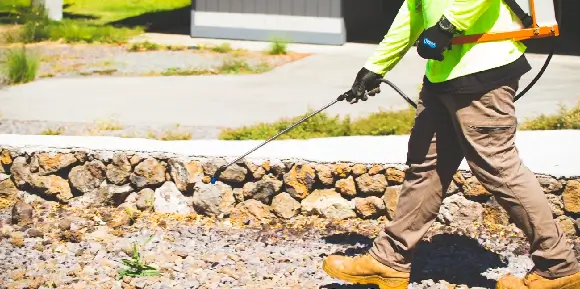
A groundskeeper wearing safety gloves and a yellow shirt uses a backpack sprayer for weed control and pest management in Kailua-Kona, Hawaii.

6. Protect Young and Vulnerable Plants

Seedlings, transplants, and newly planted trees need extra care until established:

  • Temporary Shade: Use shade cloth or temporary screens during the hottest months.
  • Extra Watering: Hand-water new plants more frequently until roots develop.
  • Windbreaks: Kona’s afternoon breezes can further dry out soil—consider planting windbreaks or using temporary barriers.

7. Welcome the Aesthetics of the Dry Season

Not all plants need to be lush year-round. Embrace seasonal changes and use the dry months to highlight:

  • Rock Gardens: Showcase lava rocks, driftwood, and drought-tolerant specimens.
  • Colorful Foliage: Many drought-hardy plants have colorful leaves or intriguing textures.
  • Hardscaping: Paths, patios, and decorative gravel reduce maintenance and conserve water.

8. Plan for the Future

Long-term, sustainable landscaping means planning for water scarcity:

  • Catch Rainwater: Install rain barrels or cisterns to store water from wet-season rains.
  • Group Plants by Water Needs: Create irrigation zones for maximum efficiency.
  • Reevaluate Plant Choices Annually: If a plant struggles every summer, consider replacing it with more hardy species.

Keep a Beautiful Landscape All Year Long

By using these tips and remaining proactive, you can maintain a beautiful, resilient landscape throughout Kona’s dry season. With a little planning, your garden will not simply endure but flourish until the next refreshing rain.

Want professionals to help get your landscaping through the dry season in Kailua-Kona? Contact Aina Landscaping at (808) 333-1100 to schedule a consultation. We provide year-round services, including landscape design and maintenance.

Frequently Asked Questions

Most established lawns and gardens need 1-2 deep waterings per week. Check soil moisture before watering—if the top 2-3 inches are dry, it’s time to water.

Avoid plants that require consistently moist soil, such as hydrangea, impatiens, or certain ferns. Stick to drought-tolerant or native species.

Local green waste mulch, wood chips, shredded bark, or even coconut husks are excellent. Avoid rubber mulch, which doesn’t improve soil health.

Yes, but it’s best to plant at the beginning or end of the dry season. If you plant mid-summer, provide extra water and shade protection until established.

Deep mulch, steady watering, and periodic feeding with time-release fertilizer help. Thin fruit if trees are stressed to maintain health.