At a time when energy costs climb higher every year, and with Hawaii having some of the highest rates anywhere, Kona homeowners are searching for creative ways to keep their electric bills in check—especially with our year-round heat and humidity. One of the most effective and often overlooked solutions? Well-planned landscaping.
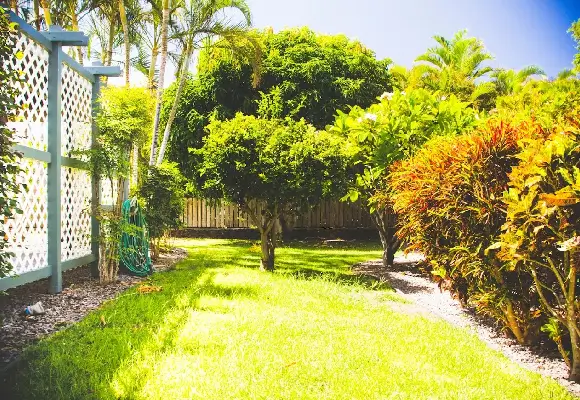
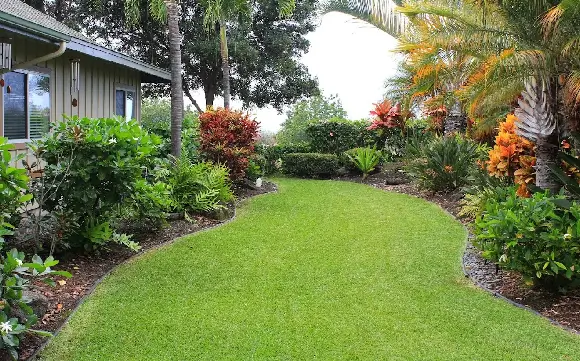
In tropical locales like the Big Island, strategically placed shade trees, lush shrubs, and layers of greenery can markedly reduce cooling costs, especially when compared with popular but heat-absorbing choices like lava rock and stone xeriscapes.
The Science Behind Cooling with Trees
Shade trees provide natural air conditioning. Their canopies block direct sunlight from hitting your home, patios, and outdoor living spaces, meaningfully reducing exterior temperatures. In tropical climates, the cooling effect is especially vital, as intense sun and high humidity can quickly raise indoor temperatures.
Trees and dense shrubs also cool the environment through a process called transpiration. As water evaporates from the leaves, it absorbs thermal energy, cooling the air. In tropical settings, layering your landscape with shrubs, small trees, and groundcovers magnifies this effect.
The double benefit—shading sunlight and releasing moisture—makes greenery especially effective at keeping your home and yard comfortable, while rock and stone landscapes can have the opposite effect, reflecting and radiating heat.
Landscaping Choices: Trees and Shrubs vs. Xeriscaping
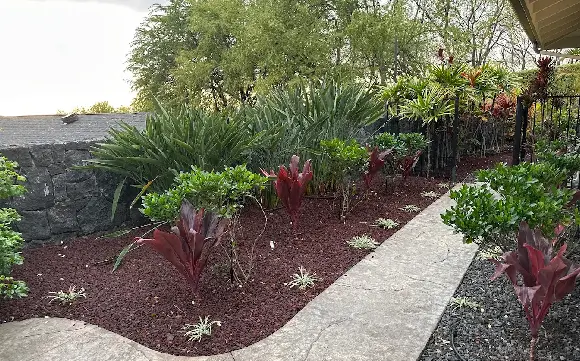
Xeriscaping is popular in drought-prone areas for its low maintenance and water-saving benefits. These landscapes commonly feature rocks, gravel, and drought-tolerant plants. While it can be water-efficient, depending heavily on dark stones or bare ground can create heat islands—areas that are significantly warmer than their surroundings.
Lava rock and other dark stones absorb and radiate heat during the day, releasing it at night. This can make outdoor spaces much less comfortable—especially on our tropical island where nighttime cooling is important—and can also increase the temperature around your home, making your air conditioner work harder. In contrast, shade trees, lush shrubs, and dense groundcovers act as a buffer, intercepting sunlight, absorbing heat, and cooling the air naturally.
Fire Safety and Smart Planting
Some homeowners are rightfully concerned that adding trees and shrubs can increase fire risk, especially within areas prone to wildfires. The solution is to select fire-resistant species and plant them at adequate distances from your home.
Creating defensible space—a buffer between your home and flammable vegetation—is important. The general recommendation is to keep trees at least 10 to 30 feet away from structures, trimming lower branches and removing dead wood regularly.
Real-World Energy Savings
The financial effect of strategic shade is substantial.
The U.S. Forest Service estimates that three well-placed shade trees can save an average household up to $100 to $250 a year in energy costs.
Over the lifetime of a tree, the savings add up considerably, not to mention the increase in property value and neighborhood appeal.
A study conducted in Sacramento, California, found that homes shaded by trees had summer electricity bills that were, on average, $25 less per month than homes without shade trees. The cooling effect is especially pronounced on the south and west sides of a house, where the sun’s heat is most intense during the afternoon.
Environmental and Community Benefits
Apart from individual savings, planting shade trees offers wider environmental rewards. Trees absorb carbon dioxide, filter pollutants, provide habitat for wildlife, and help manage stormwater runoff. A tree-lined neighborhood is also more pleasant to walk and play in, which can promote an enhanced sense of community and improve residents’ well-being.
Best Practices for Energy-Saving Landscaping
Plant Trees on the South and West Sides: These trees provide shade in the most sundrenched spots, thereby increasing their energy-saving potential.
Choose Fire-Resistant Species: Look for native trees that thrive in our tropical climate and are less likely to ignite.
Maintain Proper Distances: Keep large trees 10 to 30 feet away from your home. Regularly prune branches and remove debris to lower fire risk.
Incorporate Shrubs, Palms, and Groundcovers: Use a mix of shrubs, palms, and dense groundcovers to provide additional insulation, absorb heat, and reduce heat reflection from the ground. These layers of greenery not only cool the air but also produce a lush, inviting landscape.
Avoid Heat-Absorbing Materials Near the Home: Use rocks and gravel sparingly, especially near building foundations. If you love the look, consider lighter-colored stones that reflect rather than absorb heat.
Balancing Water Conservation and Cooling
It’s possible to create a landscape that saves both water and energy. Native and drought-tolerant trees and plants are capable of thriving with minimal irrigation once established.
Applying mulch around trees helps retain soil moisture and further insulates the ground, keeping roots cool and moist.
The Bottom Line: Save Energy with Landscaping
Adding thoughtfully selected trees and greenery to your residential property is an investment with immediate and long-term payoffs. Not only can you reduce your cooling bills, but you’ll also make your home more comfortable, beautiful, and environmentally friendly.
Will planting trees close to my house increase fire risk?
Not if you choose fire-resistant species and maintain proper spacing. Always keep trees at least 10 to 30 feet from your home, prune regularly, and remove dead branches.
Do trees really make a difference in cooling costs?
Yes. Studies show that well-placed shade trees can reduce summer energy costs by up to 30%. The effect is most noticeable on the south and west sides of the house.
Can I save water and still have a green landscape?
Absolutely. Select native, drought-tolerant trees and shrubs, and use mulch to conserve water. These plants provide shade and require less maintenance once established.
Are rocks and gravel always a bad choice?
Not necessarily, but using them in large quantities near your home can increase heat buildup. If you prefer this look, use lighter colors and combine with greenery for balance.
How quickly will I see energy savings after planting trees?
Some benefits are immediate—such as shade for patios and outdoor spaces—but maximum cooling for your home will occur as trees mature. Consider faster-growing species for quicker results.